Search
All categories
ขนมขบเคี้ยว
ขนมขบเคี้ยวทอดกรอบ
ขนมปังกรอบ
ช็อคโกแลต
ลูกอม
นมและผลิตภัณฑ์จากนม
ครีมสด
ชีส
เนย
ไอศครีม
ผลิตภัณฑ์ขนมอบ
ขนมปัง
ขนมปังแช่แข็ง
เค้ก
ผักและผลไม้
ผลไม้สด
ผักสด
สินค้าสุขภาพ
อาหารทะเล
อาหารทะเลสด
อาหารทะเลแช่แข็ง
อาหารแห้ง
ธัญพืช
อาหารแห้ง
เครื่องดื่ม
ชา
นม
น้ำดื่ม
น้ำผลไม้
เนื้อสัตว์
เนื้อสัตว์แช่เย็น
เนื้อสัตว์แช่แข็ง
Search
สินค้า
ผลิตภัณฑ์ขนมอบ
เค้ก
ขนมปังแช่แข็ง
เครื่องดื่ม
น้ำผลไม้
ชา
น้ำดื่ม
นมและผลิตภัณฑ์จากนม
เนย
ชีส
ครีมสด
อาหารแห้ง
ธัญพืช
เครื่องปรุงรส
อาหารแห้ง
เนื้อสัตว์
เนื้อสัตว์แช่เย็น
เนื้อสัตว์แช่แข็ง
ผักและผลไม้
ผลไม้สด
ผักสด
ผลไม้แช่แข็ง
ผักแช่แข็ง
สินค้าสุขภาพ
อาหารทะเล
อาหารทะเลสด
อาหารทะเลแช่แข็ง
ขนมขบเคี้ยว
ช็อคโกแลต
กิจกรรม
สินค้าใหม่
โปรโมชั่น
เกี่ยวกับเรา
ติดต่อเรา
สินค้า
ผลิตภัณฑ์ขนมอบ
เค้ก
ขนมปังแช่แข็ง
เครื่องดื่ม
น้ำผลไม้
ชา
น้ำดื่ม
นมและผลิตภัณฑ์จากนม
เนย
ชีส
ครีมสด
อาหารแห้ง
ธัญพืช
เครื่องปรุงรส
อาหารแห้ง
เนื้อสัตว์
เนื้อสัตว์แช่เย็น
เนื้อสัตว์แช่แข็ง
ผักและผลไม้
ผลไม้สด
ผักสด
ผลไม้แช่แข็ง
ผักแช่แข็ง
สินค้าสุขภาพ
อาหารทะเล
อาหารทะเลสด
อาหารทะเลแช่แข็ง
ขนมขบเคี้ยว
ช็อคโกแลต
กิจกรรม
สินค้าใหม่
โปรโมชั่น
เกี่ยวกับเรา
ติดต่อเรา
Menu
Search
All categories
ขนมขบเคี้ยว
ขนมขบเคี้ยวทอดกรอบ
ขนมปังกรอบ
ช็อคโกแลต
ลูกอม
นมและผลิตภัณฑ์จากนม
ครีมสด
ชีส
เนย
ไอศครีม
ผลิตภัณฑ์ขนมอบ
ขนมปัง
ขนมปังแช่แข็ง
เค้ก
ผักและผลไม้
ผลไม้สด
ผักสด
สินค้าสุขภาพ
อาหารทะเล
อาหารทะเลสด
อาหารทะเลแช่แข็ง
อาหารแห้ง
ธัญพืช
อาหารแห้ง
เครื่องดื่ม
ชา
นม
น้ำดื่ม
น้ำผลไม้
เนื้อสัตว์
เนื้อสัตว์แช่เย็น
เนื้อสัตว์แช่แข็ง
Search
หน้าหลัก
ผักและผลไม้
ผลไม้แช่แข็ง
FROZEN MANGO DICE 1KG
FROZEN MANGO DICE 1KG
Zoom images
Product Information
ผักและผลไม้
,
ผลไม้แช่แข็ง
หมวดหมู่:
ผักและผลไม้
,
ผลไม้แช่แข็ง
Share Social
Previous
FROZEN MANGO PUREE 1KG
Next
Persimmon Dried
Related Products
ผลไม้สด
,
ผักและผลไม้
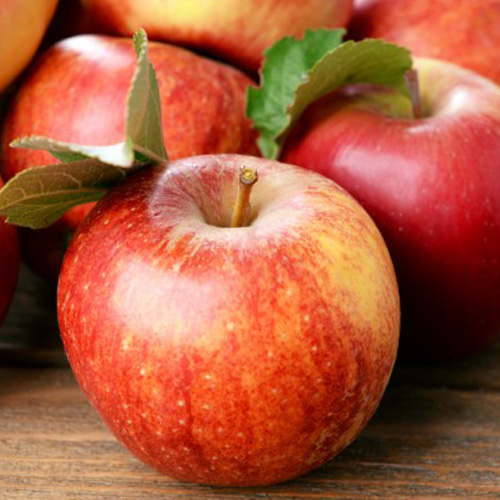
แอปเปิ้ลฟูจิ
Product from New Zealand
มีรสชาติเข้มข้น เนื้อกรุบกรอบ รสหวาน เพหมาะสำหรับทำป็นของว่างสำหรับทุกวัน หรือทำเป็นพาย ซอส ขนมอบ และอื่นๆ
ผลไม้สด
,
ผักและผลไม้
แอปเปิ้ลเอนวี่
Product from New Zealand
แอปเปิ้ล Envy มีเปลือกสีสวย รสชาติหอมหวานไม่มีเปรี้ยวปน และเนื้อแน่นกรอบแถมสียังไม่คล้ำเร็วแม้จะหั่นหรือกัดแล้วก็ตาม
Product categories
ขนมขบเคี้ยว
ขนมขบเคี้ยวทอดกรอบ
ขนมปังกรอบ
คุ๊กกี้
ช็อคโกแลต
ลูกอม
นมและผลิตภัณฑ์จากนม
ครีมสด
ชีส
เนย
ไอศครีม
ผลิตภัณฑ์ขนมอบ
ขนมปัง
ขนมปังแช่แข็ง
เค้ก
ผักและผลไม้
ผลไม้สด
ผลไม้แช่แข็ง
ผักสด
ผักแช่แข็ง
สินค้าสุขภาพ
อาหารทะเล
อาหารทะเลกระป๋อง
อาหารทะเลสด
อาหารทะเลแช่แข็ง
อาหารแห้ง
ธัญพืช
อาหารแห้ง
เครื่องปรุงรส
แป้ง
เครื่องดื่ม
ชา
นม
น้ำดื่ม
น้ำผลไม้
น้ำอัดลม
เนื้อสัตว์
เนื้อสัตว์แช่เย็น
เนื้อสัตว์แช่แข็ง
Food Gallery Limited